-
-
-
P.O. Box 1277, Morogoro
International Training Programme on Solar Energy Technologies and Applications
International Training Programme on Solar Energy Technologies and Applications
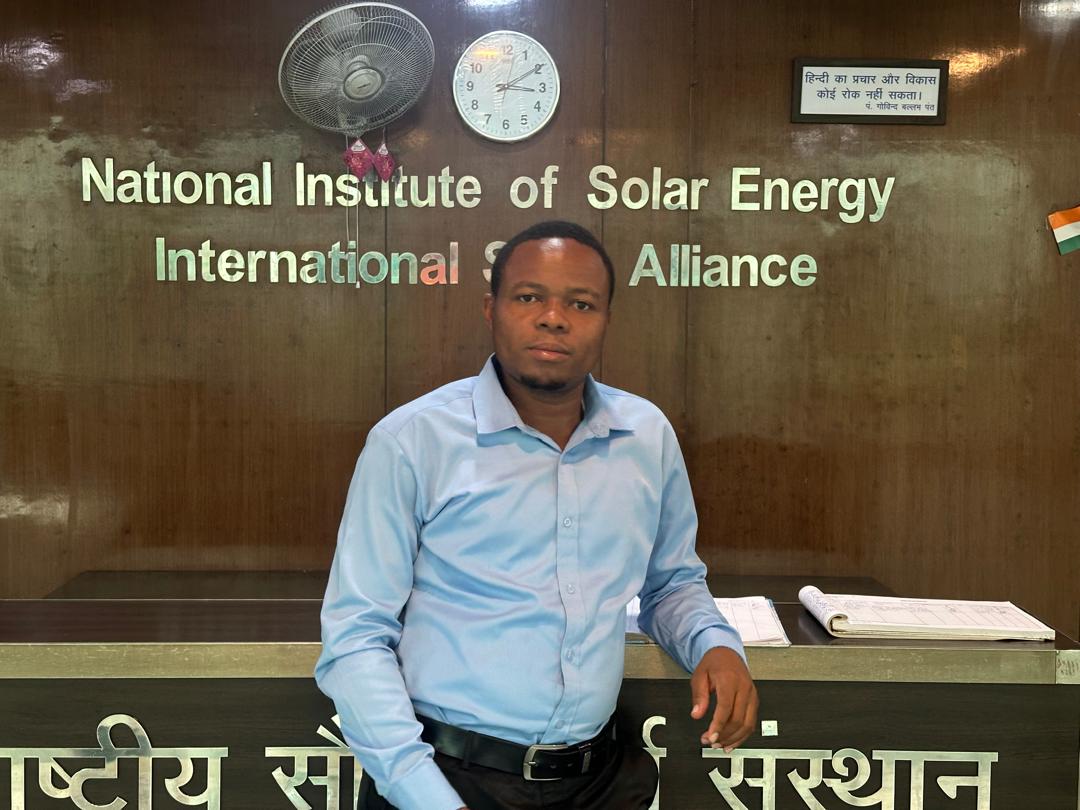
This report presents the participation of Mr. Musa Hassan Mohamed from the United Republic of Tanzania in the International Training Programme on Solar Energy Technologies and Applications conducted under the Indian Technical and Economic Cooperation (ITEC) Programme at the National Institute of Solar Energy (NISE), Gurugram, Haryana, India, from 14th to 27th September 2026. The programme provided an important opportunity to strengthen technical and institutional understanding of solar energy technologies, renewable energy deployment, solar photovoltaic (PV) systems, standards and certification, system components, performance and reliability, and the regulatory environment supporting renewable energy.
For Tanzania, the knowledge acquired is particularly relevant to the expansion of reliable and affordable renewable energy for productive uses. In the agricultural sector, solar technologies can support irrigation and water pumping, agricultural research facilities, cold storage systems, drying, agro-processing, rural electrification and other energy-intensive agricultural operations.
The training therefore has potential relevance to the work of the Ministry of Agriculture and AGRISCAPE INNOVATIONS COMPANY LIMITED and EAST AFRICA YOUTH AGRO-INNOVATIONS NEXUS, particularly in training, research, technology transfer and promotion of climate-smart agricultural practices and intensification of agrivoltaic and solar water pumping system for both domestic water supply and irrigation activities.
OBJECTIVES OF THE TRAINING
Overall Objective: To strengthen knowledge and practical understanding of solar energy technologies and their applications, including solar resource assessment, photovoltaic systems, standards, technical and performance tests, reliability, regulation and institutional approaches to renewable energy deployment.
KEY TECHNICAL KNOWLEDGE AND LESSONS LEARNED
1.Solar Resource Assessment
A major lesson from the programme is that effective solar energy project development begins with adequate understanding of the available solar resource. Solar radiation measurement and resource assessment provide the basis for estimating energy yield, selecting appropriate system configurations and assessing project feasibility. Exposure to the SRRA facility at NISE demonstrated the importance of reliable solar resource data in planning and evaluating solar-energy applications.
2. Solar Photovoltaic Systems and Components
The Solar PV plant session introduced the main categories of PV power plants, PV technologies and system components. Understanding the relationship between PV modules, inverters and other balance-of-system components is essential for appropriate system sizing, procurement, installation, operation and maintenance.
3.Bill of Materials and Project Planning
The Bill of Materials (BoM) concept is important for transparent project planning and procurement. A technically sound BoM should account for the required PV modules, inverters and other system components, together with their specifications and quantities. This knowledge can improve the preparation and evaluation of solar projects in agricultural facilities.
4. PV Standards, Testing and Reliability
The module standards and certification session highlighted the importance of qualification testing, performance parameters and reliability assessment. For long-term investments such as solar-powered irrigation systems, agricultural research stations and cold-storage facilities, equipment quality and compliance with applicable standards are essential considerations.
5. Renewable Energy Regulations and Standards
The programme also demonstrated that successful renewable-energy deployment depends not only on technology but also on an appropriate regulatory and standards framework. The Indian experience presented during the training included regulatory institutions, Renewable Purchase Obligations (RPO), Renewable Energy Certificates (REC), electricity-law provisions, renewable-energy tariffs and the role of the Bureau of Indian Standards (BIS).
Conclusive Relevance
The training has direct relevance to Tanzania's efforts to increase the productive use of renewable energy. Solar energy can support decentralized services and productive activities in areas where conventional electricity supply is limited or where energy costs affect the viability of agricultural operations.