-
-
-
P.O. Box 1277, Morogoro
Greenhouse Farming: How to Maximize Crop Production Year-Round
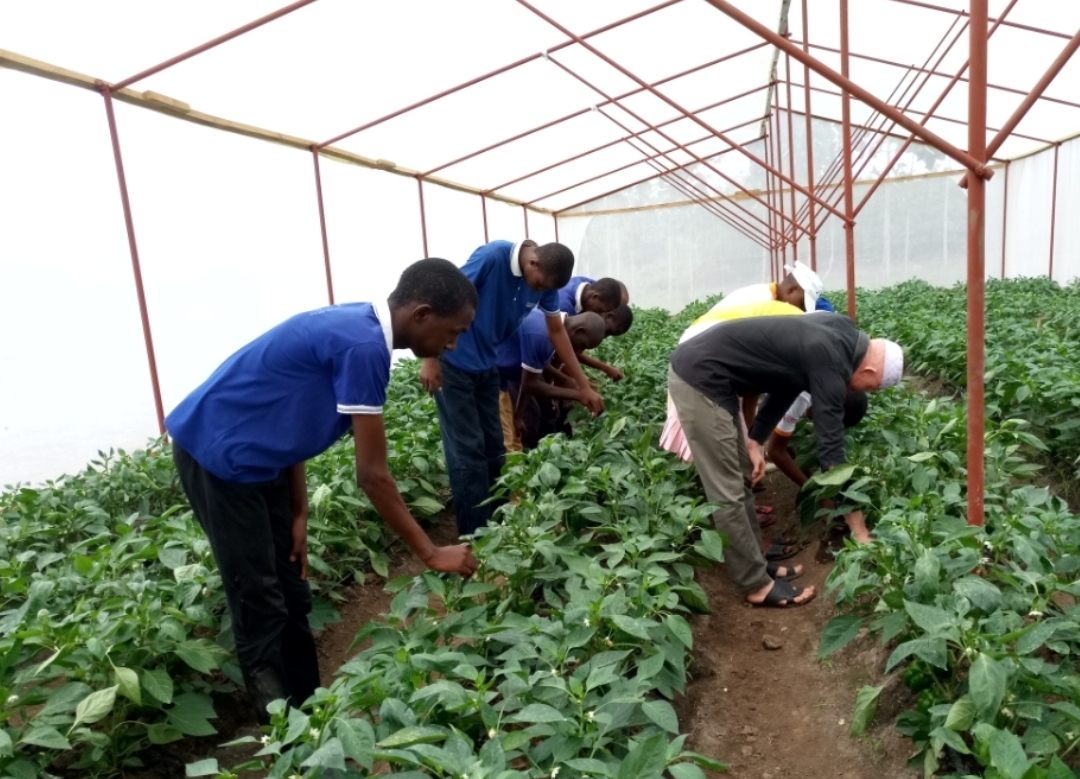
Greenhouse Farming: How to Maximize Crop Production Year-Round
Farming comes with many challenges, including unpredictable weather patterns, pest infestations, plant diseases, and seasonal limitations that can significantly affect crop yield and quality. Excessive rainfall, prolonged droughts, strong winds, and extreme temperatures often lead to reduced productivity and financial losses for farmers. In addition, open-field farming exposes crops to harmful pests and diseases, increasing the need for chemical pesticides and raising production costs.
Seasonal farming also limits the availability of fresh produce throughout the year, making it difficult for farmers to maintain consistent production and stable income. Water scarcity, poor soil conditions, and changing climate patterns further increase the challenges faced by modern farmers.
Greenhouse farming offers a reliable and sustainable solution to these problems by creating a controlled environment where crops can grow under optimal conditions. With proper temperature regulation, irrigation systems, ventilation, and pest management, farmers can produce high-quality crops consistently throughout the year while reducing risks associated with traditional farming methods.
At AgriScape Innovations Company Limited (ASI Co. Ltd), specializes in the design and construction of modern greenhouse systems that support high-efficiency and climate-controlled crop production. In this Farming Tips Article, we explore how greenhouse farming can transform your farm and help you achieve consistent year-round production.
1. What is Greenhouse Farming?
Greenhouse farming involves growing crops inside specially designed structures made from transparent materials such as plastic or glass. These structures allow sunlight to enter while trapping heat, creating an ideal environment for plant growth. By controlling environmental factors such as temperature, humidity, ventilation, and light intensity, farmers can protect crops from harsh weather conditions, pests, and diseases while promoting healthy and consistent growth.
2. Benefits of Greenhouse Farming
Controlled Temperature, Humidity, and Lighting Conditions. Greenhouses allow farmers to regulate environmental conditions such as temperature, humidity, and light intensity to support healthy crop growth. This creates an ideal environment for plants, leading to better growth rates and higher productivity. Crops can grow consistently without being affected by sudden weather changes.
Protection from Extreme Weather Conditions. Greenhouses protect crops from heavy rains, strong winds, excessive sunlight, drought, and other harsh weather conditions. This reduces crop damage and minimizes losses caused by unpredictable climate changes. Farmers can maintain stable production throughout the year.
Reduced Pest and Disease Pressure. The enclosed greenhouse environment limits the entry of pests and disease-causing organisms. This helps farmers reduce the frequent use of chemical pesticides, resulting in healthier crops and lower production costs. It also promotes safer and more environmentally friendly farming practices.
Increased Crop Yields and Improved Produce Quality. Crops grown in greenhouses often produce higher yields due to better growing conditions and proper crop management. Fruits and vegetables are usually healthier, cleaner, and of higher market quality. This increases farmers’ profitability and market competitiveness.
Year-Round Production. Unlike traditional farming, greenhouse farming is not heavily affected by seasonal changes. Farmers can grow crops continuously throughout the year and supply produce even during off-seasons. This ensures a more reliable source of income and stable food production.
Efficient Use of Water and Fertilizers. Modern greenhouse systems use advanced irrigation technologies such as drip irrigation, which delivers water and nutrients directly to plant roots. This reduces water wastage and improves fertilizer efficiency. As a result, farmers can lower production costs while conserving important natural resources.
Greenhouse Farming in Tanzania
Greenhouse farming in Tanzania is highly suitable for high-value horticultural crops due to favorable market demand and improved growing conditions. Farmers can successfully produce vegetables, fruits, herbs, and flowers with higher yields and better quality.
1. Tomatoes
Tomatoes are one of the most common and profitable greenhouse crops in Tanzania because they grow well under controlled conditions and have high market demand throughout the year. Greenhouse farming helps reduce diseases and improves fruit quality and yield. Common tomato varieties grown in greenhouses include Tanya, Anna F1, Assila F1, and Zara F1.
2. Sweet Peppers (Capsicum)
Perform very well in greenhouses because they require stable temperatures and proper moisture levels for healthy growth. Greenhouse production helps farmers produce high-quality peppers with better color and size. Popular varieties include California Wonder, Buffalo F1, and Red Knight F1.
3. Cucumbers
Grow quickly and produce high yields in greenhouse environments with proper irrigation and support systems. They are highly demanded in hotels, supermarkets, and local markets. Common cucumber varieties grown in Tanzania include Murano F1, Ashley, and Kyoto F1.
4. Lettuce
Fast-growing leafy vegetable that performs well in cool and controlled greenhouse conditions. Greenhouse farming helps maintain leaf quality and reduces damage from pests and harsh weather. Popular lettuce varieties include Great Lakes, Romaine, and Iceberg.
5. Strawberries
This can be successfully grown in greenhouses, especially in cooler regions and highland areas of Tanzania. Greenhouses protect the fruits from excessive rain and pests, improving fruit quality and shelf life. Common varieties include Chandler, Albion, and Sweet Charlie.
6. Herbs and Spices
Herbs such as basil, coriander, mint, and parsley grow well in greenhouses because they require controlled moisture and temperature conditions. These crops are highly demanded in restaurants, hotels, and supermarkets. Greenhouse farming improves freshness, quality, and continuous production.
7. Leafy Vegetables Leafy
For example: spinach, kale, Swiss chard, and Chinese cabbage grow rapidly in greenhouse conditions. Greenhouses help protect the crops from pests and heavy rains while ensuring healthy leaf development. Farmers can harvest these vegetables several times throughout the year.
8. Flowers (Floriculture)
For example: roses, carnations, lilies, and chrysanthemums are commonly grown in greenhouses for local and export markets. Greenhouse conditions help improve flower quality, color, and durability. Floriculture is a profitable greenhouse farming business in Tanzania due to the growing demand for fresh flowers.
Conclusion
Greenhouse farming is a valuable investment for farmers seeking to improve productivity, minimize losses, and maintain a steady supply of high-quality fresh produce throughout the year.