-
-
-
P.O. Box 1277, Morogoro
Cohort 1 Program – Transforming Knowledge into Practices: Sokoine University Students
26
Apr
Cohort 1 Program – Transforming Knowledge into Practices: Sokoine University Students
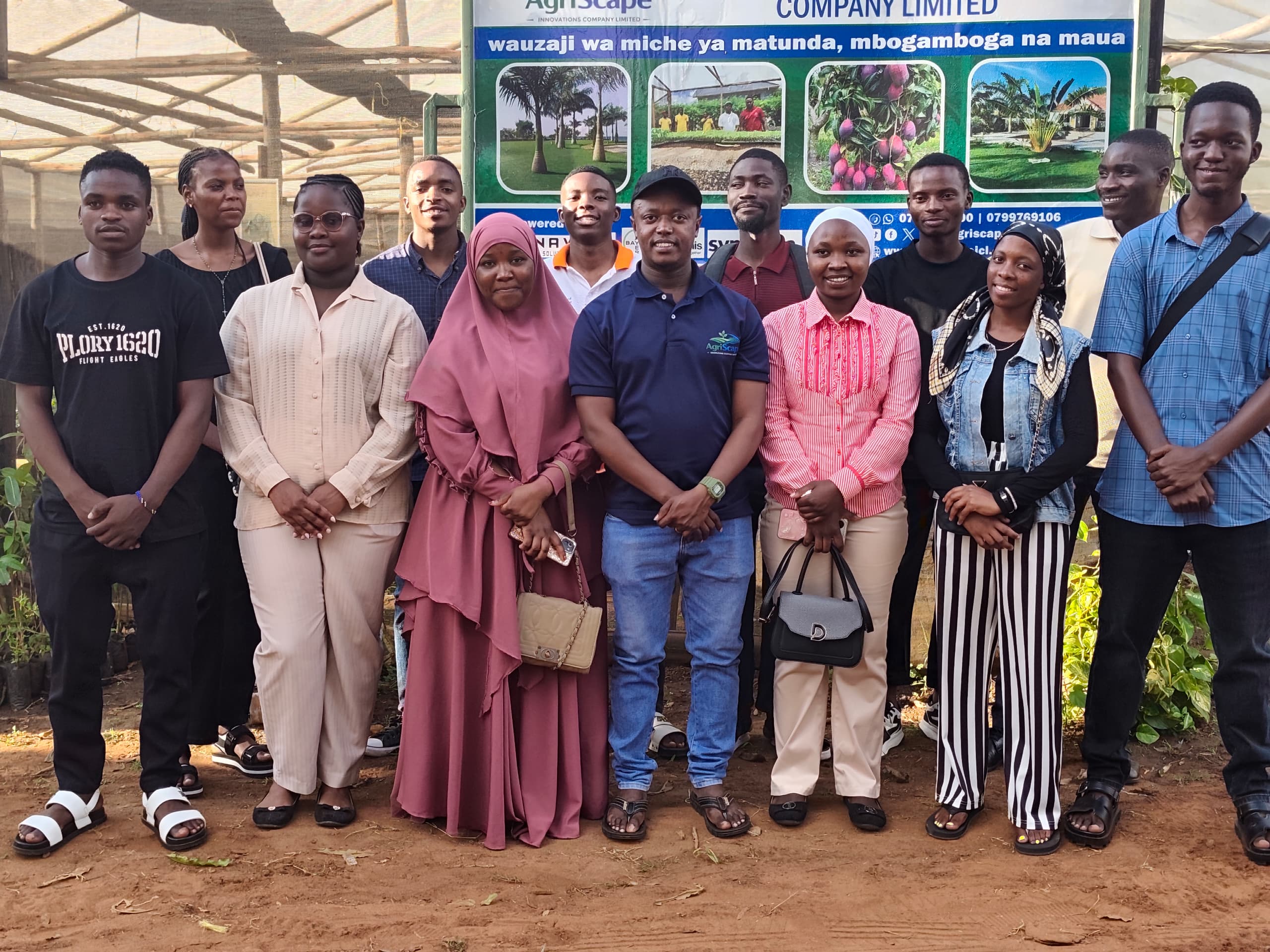
Agriscape Innovation Company Limited (ASI Co. Ltd) proudly marks the successful completion of Cohort 1 of the 2026 Capacity Building Program for students from Sokoine University of Agriculture (SUA). This milestone reflects not only the graduation of a dedicated cohort from their practical training but also a significant step toward strengthening the next generation of agricultural professionals. Driven by a commitment to innovation, knowledge transfer, and sustainable agricultural development, ASI Co. Ltd welcomed SUA students into a dynamic, hands-on learning environment. The program was designed to bridge the critical gap between classroom theory and field application an essential transition for building competent, industry-ready graduates.
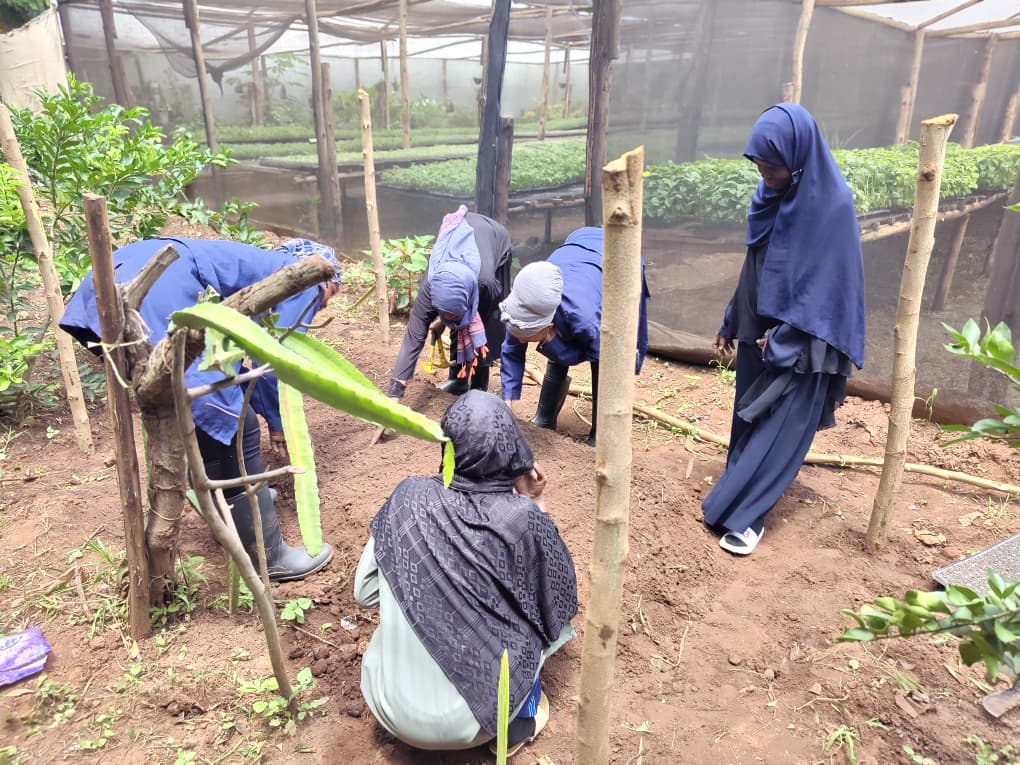
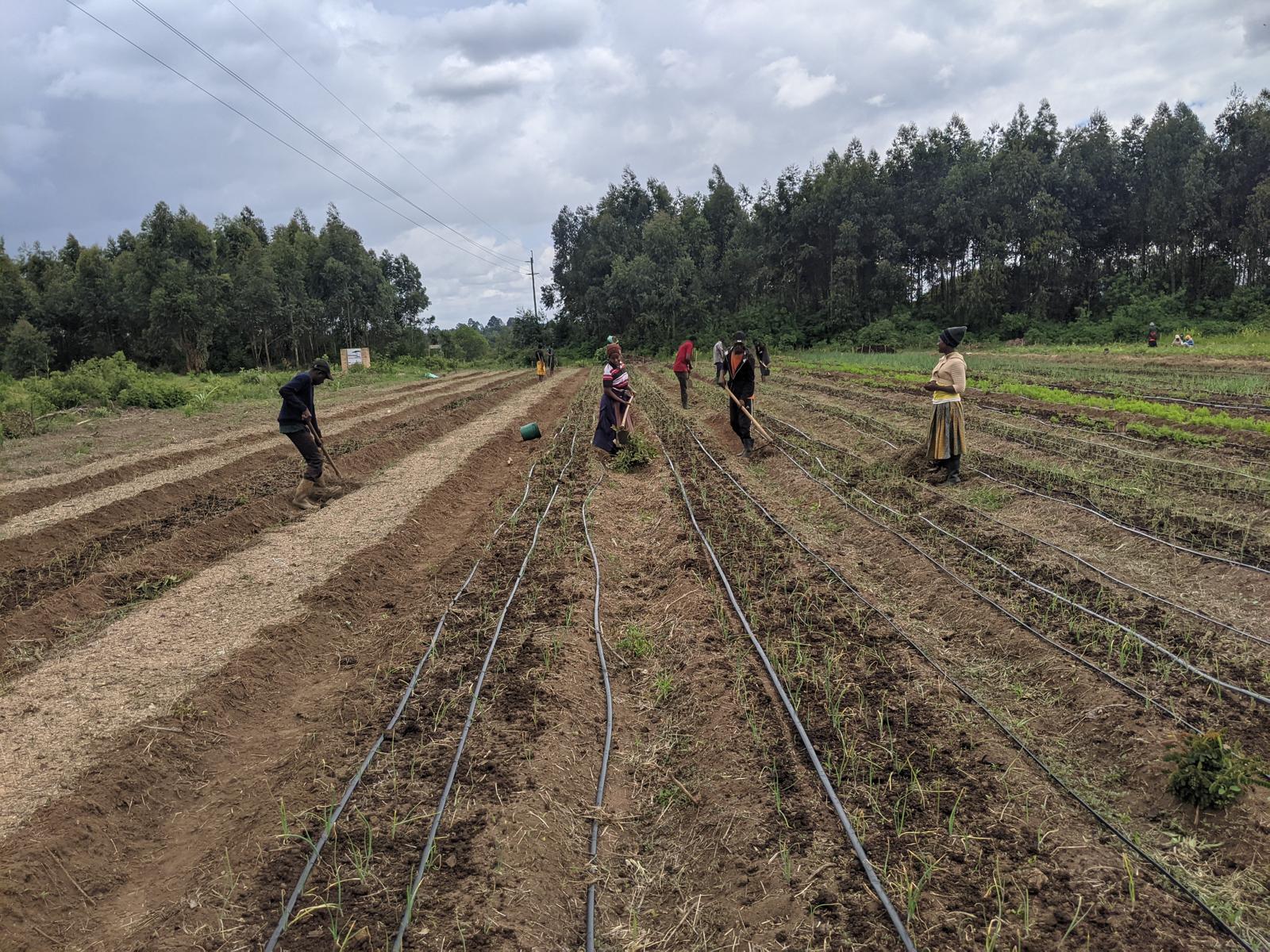
Throughout the training, students were fully immersed in real farm operations, gaining practical exposure across a comprehensive set of technical modules. Beginning with farm planning and land preparation, participants developed skills in soil assessment, farm mapping, and efficient land utilization. This foundation enabled them to understand how thoughtful planning directly influences productivity and sustainability.
In the area of agronomic principles, students explored climate-smart agriculture, crop rotation, and intercropping systemsequipping them with strategies to enhance yields while maintaining soil health. Their learning extended into nursery establishment and management, where they practiced seed selection, germination monitoring, and seedling care, ensuring strong crop establishment from the earliest stages.
The training further emphasized proper planting techniques, fertilizer application, and nutrient management, enabling students to diagnose plant deficiencies and apply both organic and inorganic inputs effectively. With modern agriculture increasingly dependent on efficient resource use, students also gained hands-on experience in drip irrigation installation, enhancing their understanding of water management systems.
The program highlighted the strong focus on pest and disease identification and management, where students were actively engaged in learning how to apply integrated pest management (IPM) approaches in real field conditions. They were trained to observe crops closely, identify common pests and diseases, and recognize early signs of crop stress such as discoloration, wilting, and abnormal growth patterns. Through practical demonstrations and field exercises, students developed the ability to select appropriate control measures, combining biological, cultural, and safe chemical methods. This hands-on experience enhanced their confidence in making informed decisions, while emphasizing the importance of minimizing crop losses and adopting environmentally responsible farming practices for sustainable agricultural production.
Beyond production, the program extended into the full agricultural value chain. Students were trained in harvesting techniques, post-harvest handling, and storage practices, ensuring quality preservation and reduction of losses. Finally, through transportation and marketing modules, participants gained insights into market dynamics, pricing strategies, and agribusiness planning transforming them from producers into market-oriented professionals.
In addition to technical expertise, the program cultivated essential soft skills such as teamwork, adaptability, critical thinking, and problem-solving. These competencies are indispensable in addressing the evolving challenges of modern agriculture, including climate change, food security, and sustainable resource management.
The successful completion of this cohort was marked by a certification ceremony, where students were officially awarded certificates in recognition of their dedication and achievement. The ceremony served as a simple but meaningful moment to acknowledge their hard work, commitment, and the practical skills they gained throughout the training. It also symbolized the completion of an important learning phase and the readiness of the students to apply their knowledge in real-world agricultural settings.
As ASI Co. Ltd continues to partner with leading academic institutions like SUA, initiatives such as this reinforce our role in shaping a skilled and innovative agricultural workforce. By investing in youth capacity building, we are not only empowering individuals but also contributing to increased productivity, improved livelihoods, and long-term food security